Building research skills
In recent months our biodiversity research team has been busy attending a series of trainings, with the aim of building their skills and sharing their own knowledge with other conservationists and scientists.
Ecology masterclass
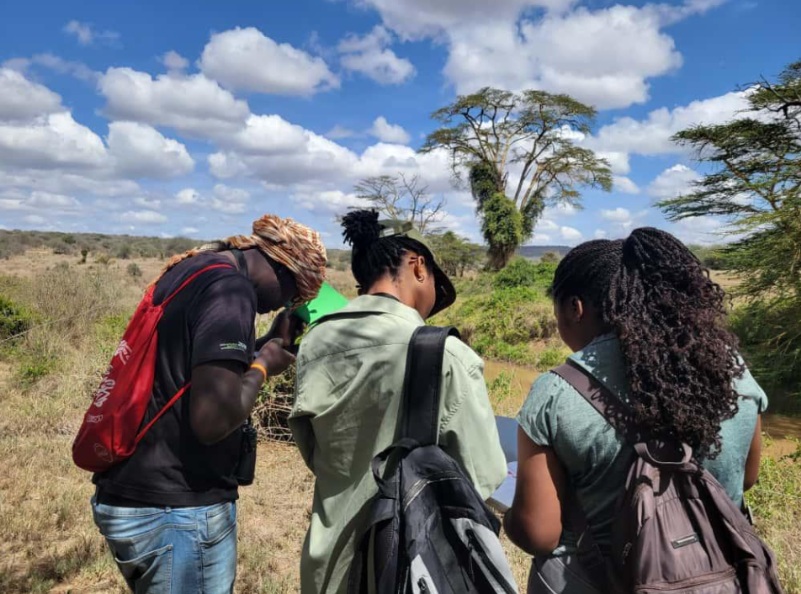
In October our Field Research Coordinator, Wanangwa Phiri, attended the Tropical Biology Association’s Ecology Masterclass at Mpala Research Centre in Nanyuki, Kenya. This 12-day programme brought together early-career scientists and conservationists to strengthen their ability to design and carry out ecological research projects in the field.
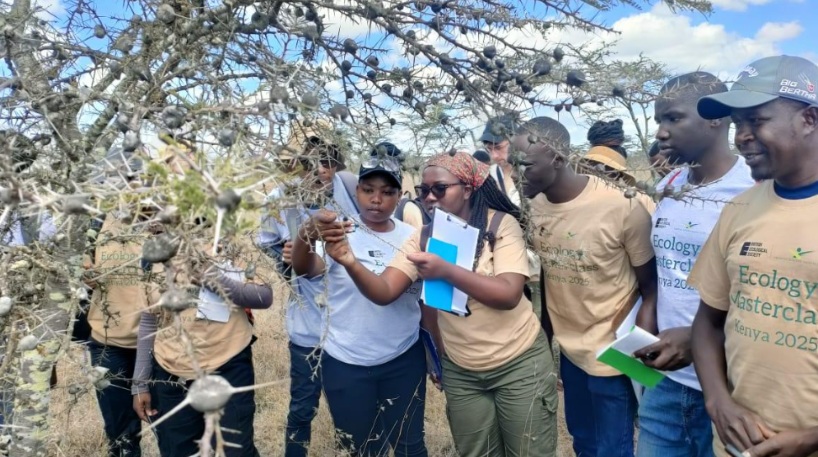
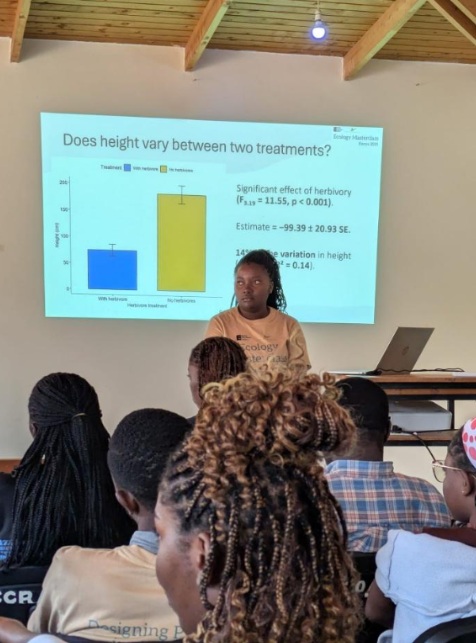
Participants learned how to frame solid ecological questions, design experiments, and apply statistical methods to field data. The course also focused on data management and analysis, building participants’ ability to handle complex ecological datasets. Equally important was learning how to communicate findings effectively, whether through scientific papers, oral presentations, or policy briefs tailored for decision-makers.
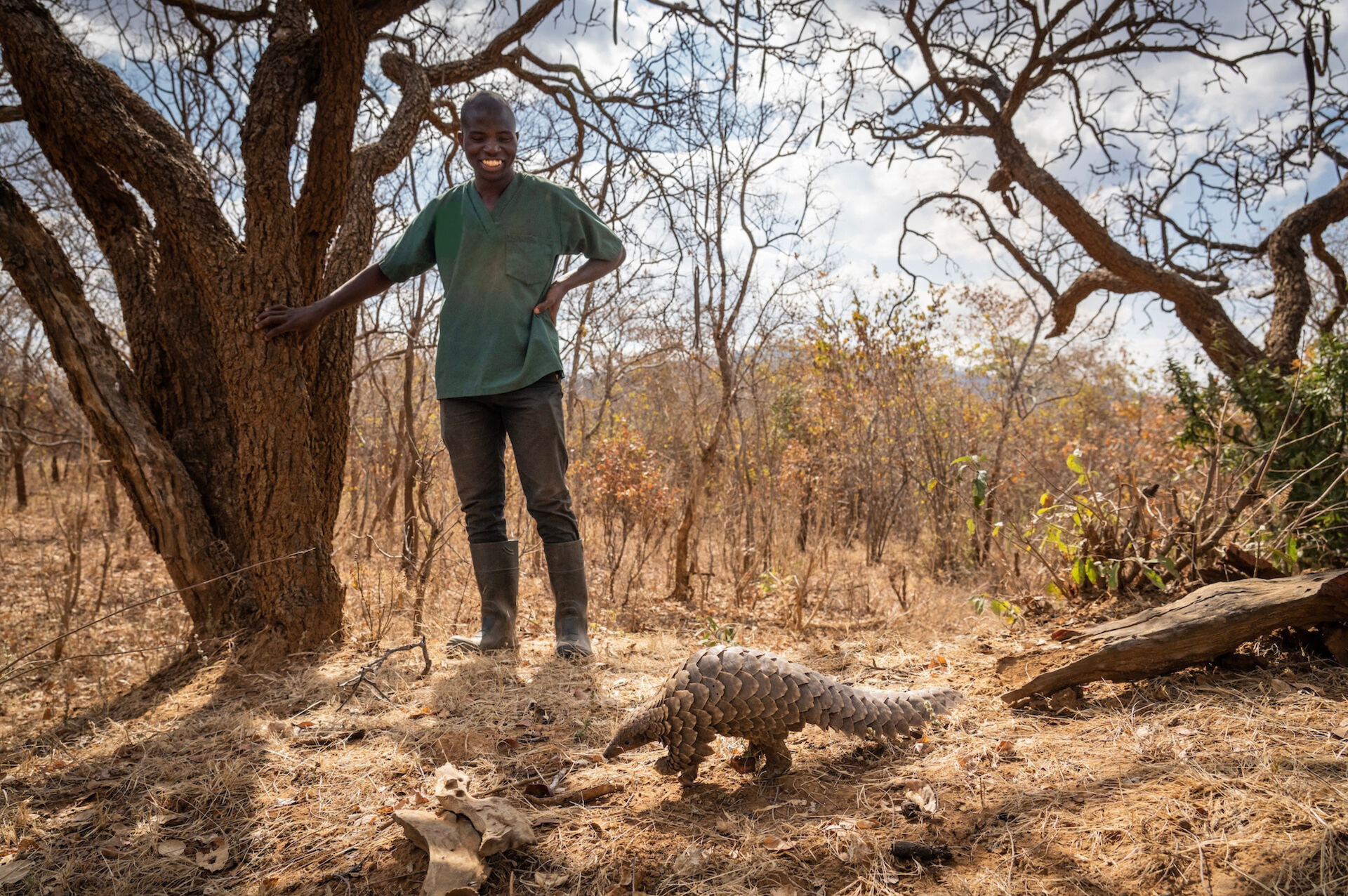
Wanangwa is already applying some of the learnings she gained, including in her contributions to a new scientific paper we are developing on the use of drones in pangolin monitoring.
eDNA workshop
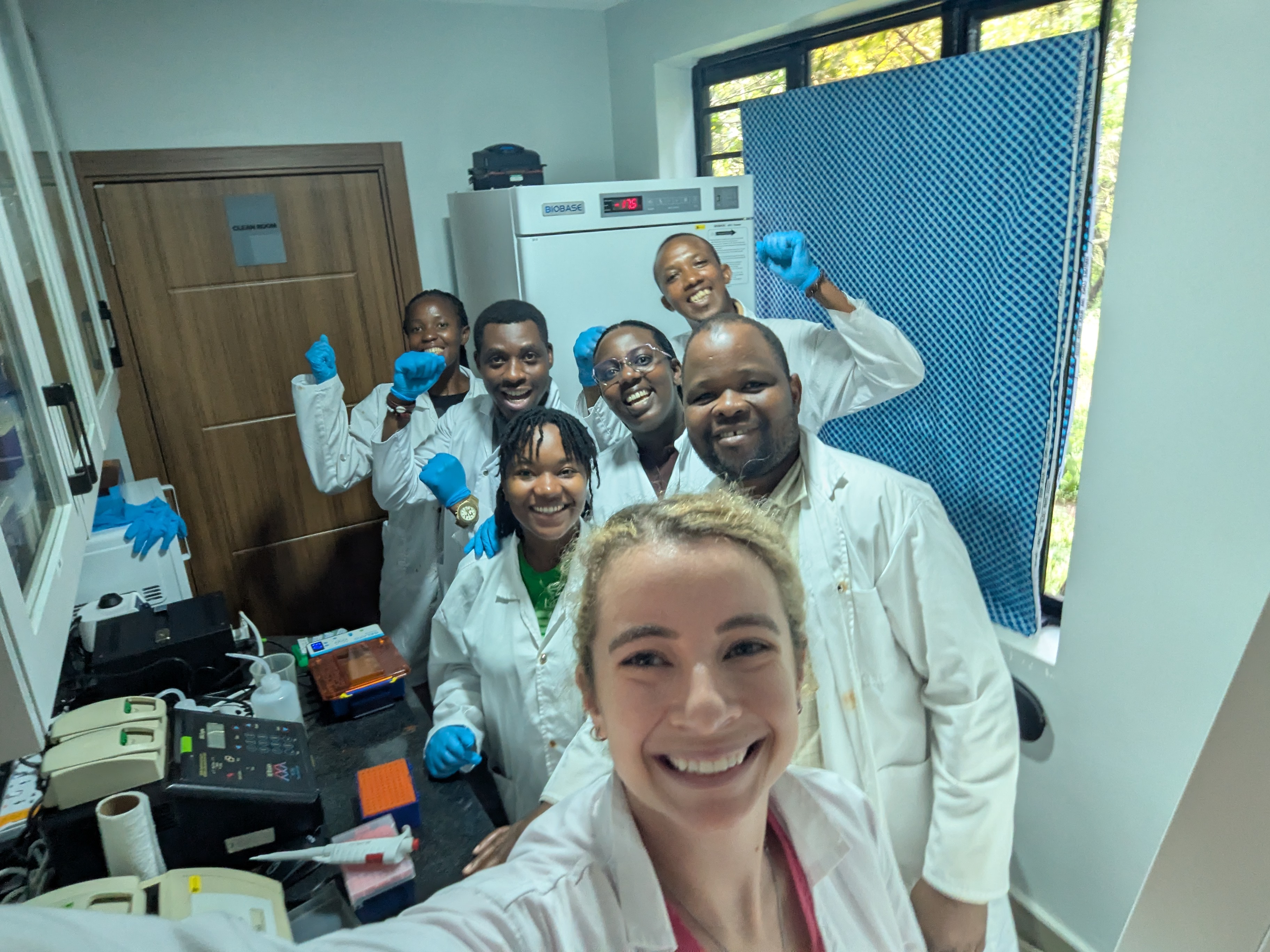
In January 2026 two members of our biodiversity research team attended an eDNA workshop hosted by the Rwanda Wildlife Conservation Association, as part of a wider collaboration project funded by Tusk Trust. eDNA analysis involves testing samples such as soil for trace amounts of DNA, which can then be analysed to identify which species have been present. We’re particularly interested in exploring whether this method could be used to test whether pangolins are present in specific locations across Malawi, to help inform our ongoing research on pangolin distribution.
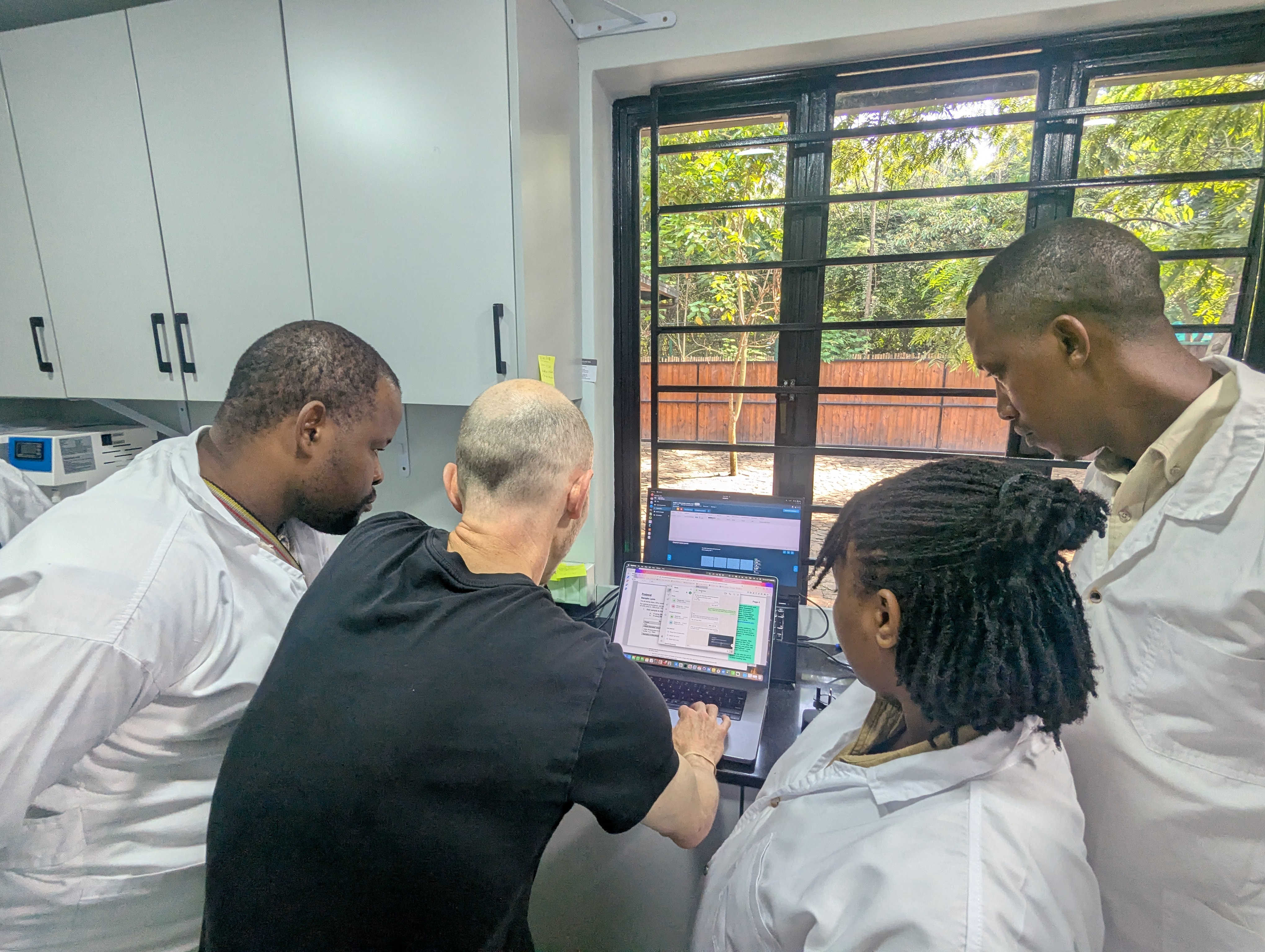
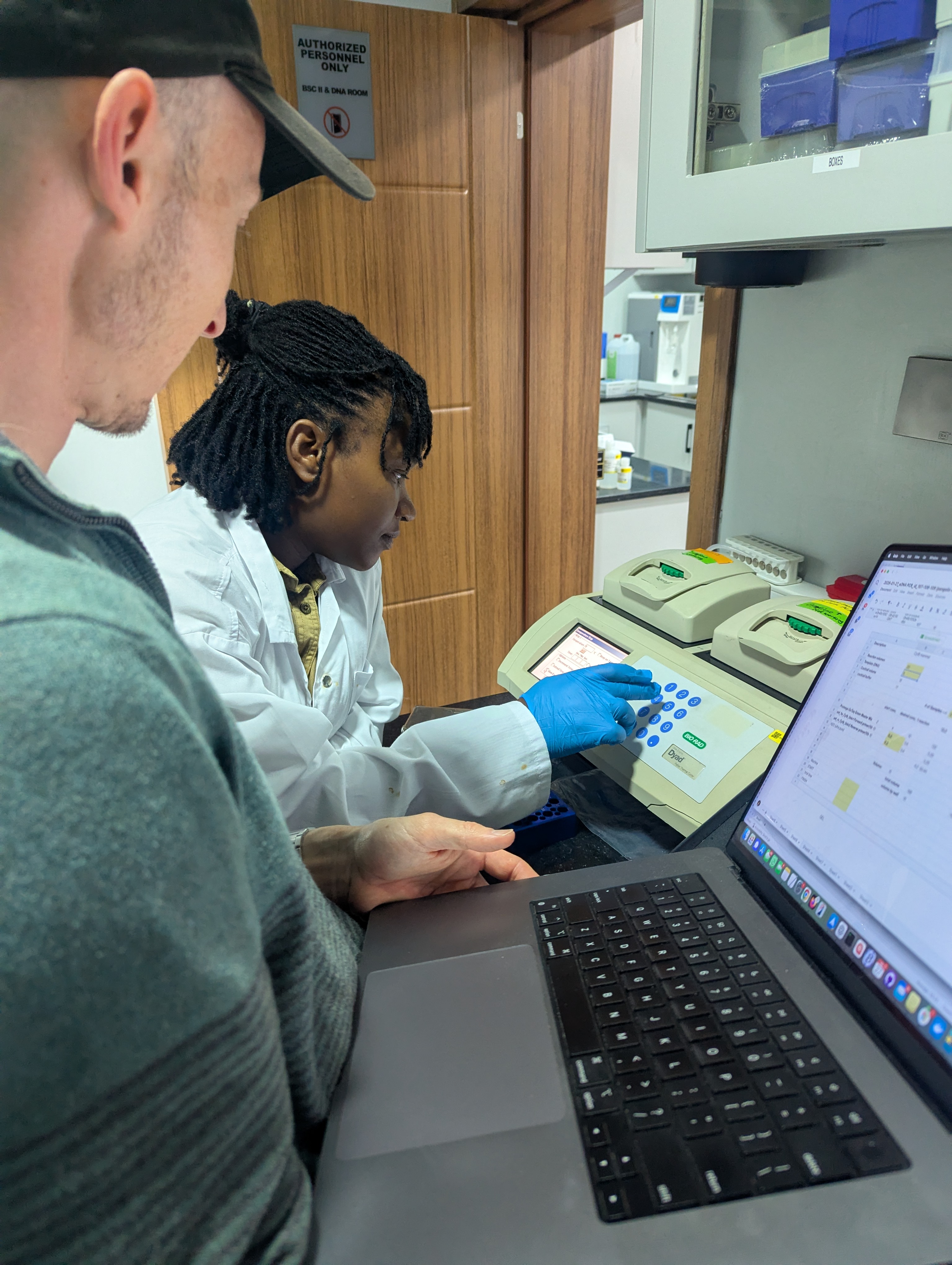
The workshop opened with a presentation on the equipment, workflows, and methods used in eDNA analysis. Guidance was given on how to collect samples in the field while avoiding contamination, with explanations of the chemicals, reagents, and equipment used in DNA sequencing and Polymerase Chain Reaction (PCR), which is a key technique for amplifying DNA fragments from environmental samples. Using eDNA collected from pangolins in Malawi and bats in Rwanda, the technician demonstrated how PCR can be used to produce enough DNA material for further analysis. From the Malawi samples, two showed positive amplification, meaning they contained detectable traces of DNA. We are waiting for the final results to tell us whether this was pangolin DNA or from another species. We are hoping to use eDNA analysis as part of a pangolin survey in Malawi later this year.
Women Conserving Southern Africa
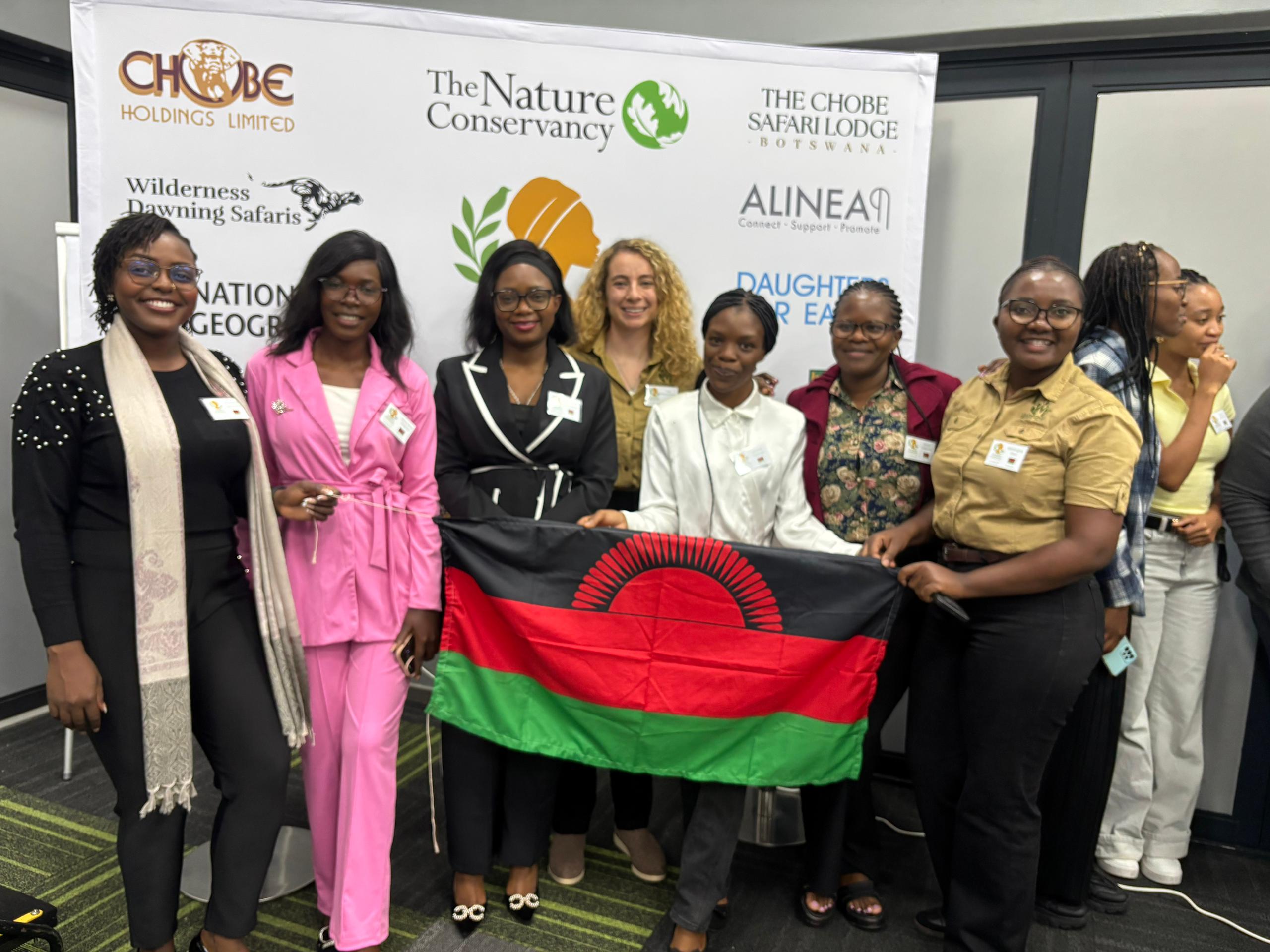
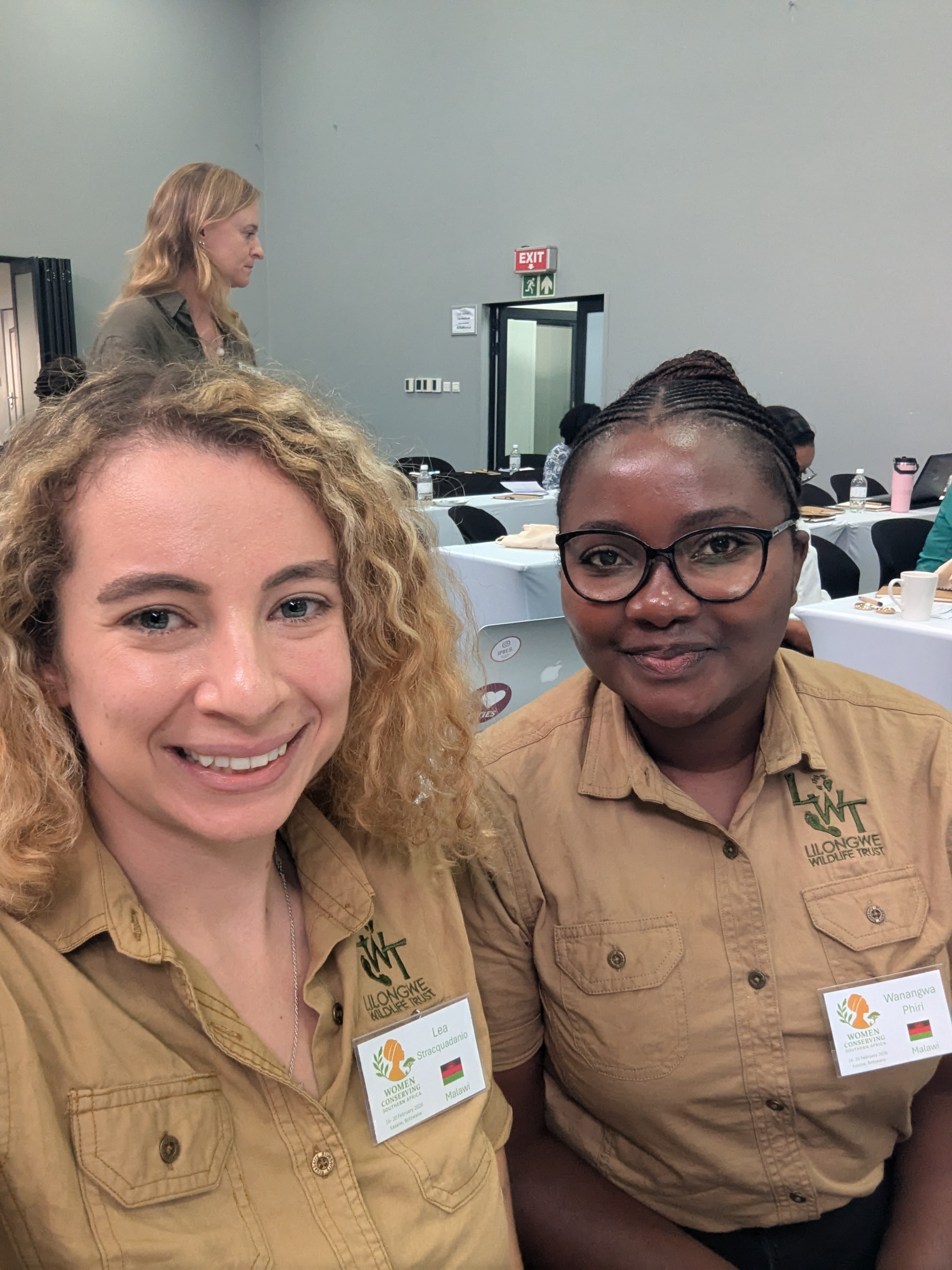
Two members of our team also recently attended the inaugural Women Conserving Southern Africa conference in Botswana. The event brought together over 120 women from 11 countries across southern Africa to network, share knowledge and skills, and build collaborations.
Our team delivered a workshop on how we use technology in practical settings, including telemetry, camera traps, radio and satellite tracking, and drones. Participants got to practice with a telemetry set and camera traps.
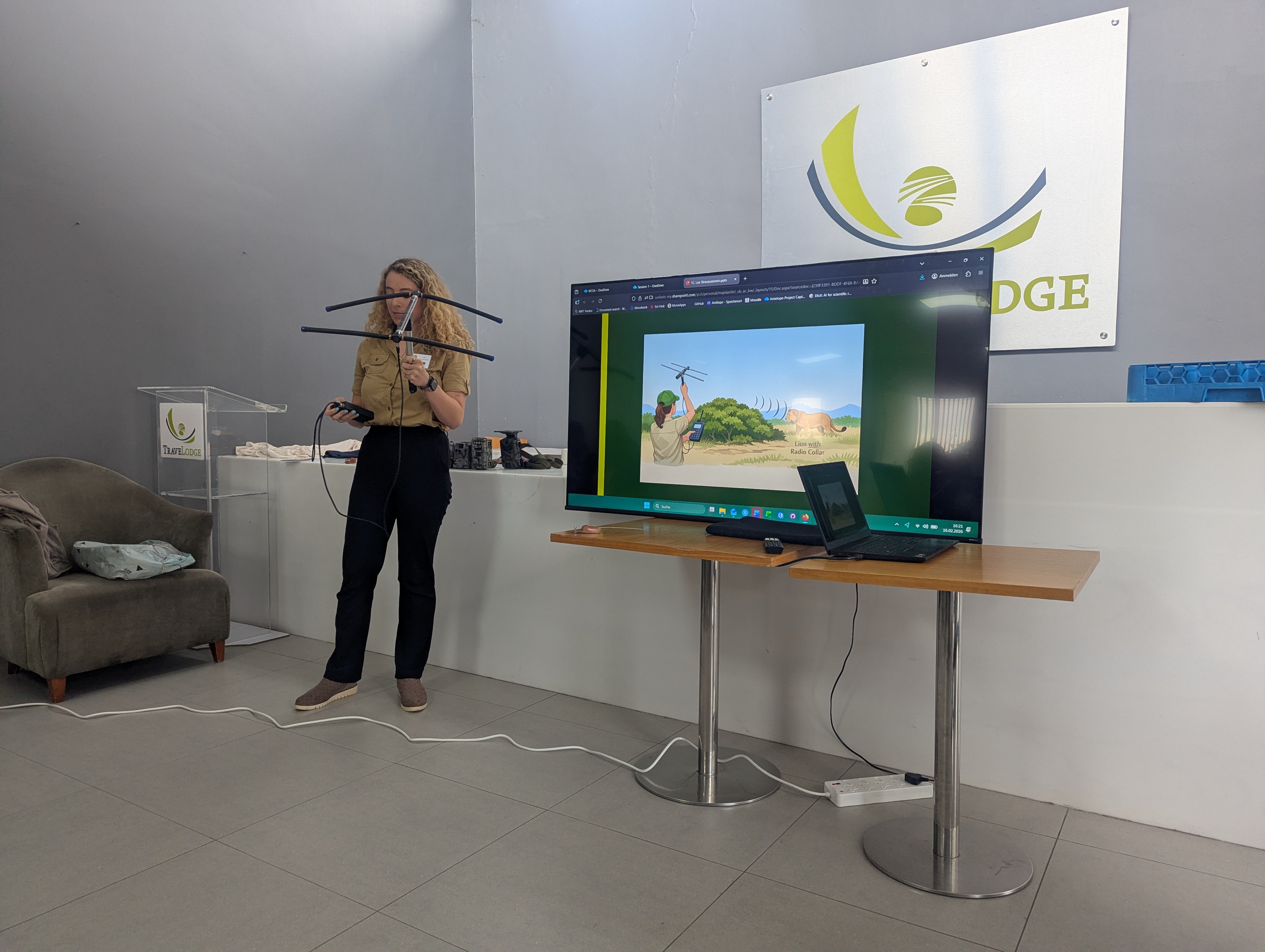
Our team also took part in a biodiversity conservation panel discussion along with two other participants from Angola, which covered challenges to biodiversity conservation, under-represented species, and community involvement in conservation. Since the conference we have been planning to put what we learned into practice, such as practical applications of AI for conservation.