OUR NEW STRATEGY 2026-32: PEOPLE AND NATURE TOGETHER
Malawi hosts an incredible diversity of wild species and habitats, but its natural resources are under huge pressure. Habitat loss, nature crime, and pollution are threatening species and degrading landscapes, with climate shocks causing devastating loss of life and damage to livelihoods.
Our new strategy sets out a framework for how we will make a difference to people and wildlife within this context over the next six years. It is focused around three core programme areas: saving wildlife, deterring nature crime, and securing healthy landscapes for people and wildlife. Through this approach we will build on our existing areas of expertise and also introduce new work to tackle the complex connections between ecosystems, communities and economies.
Our programmes
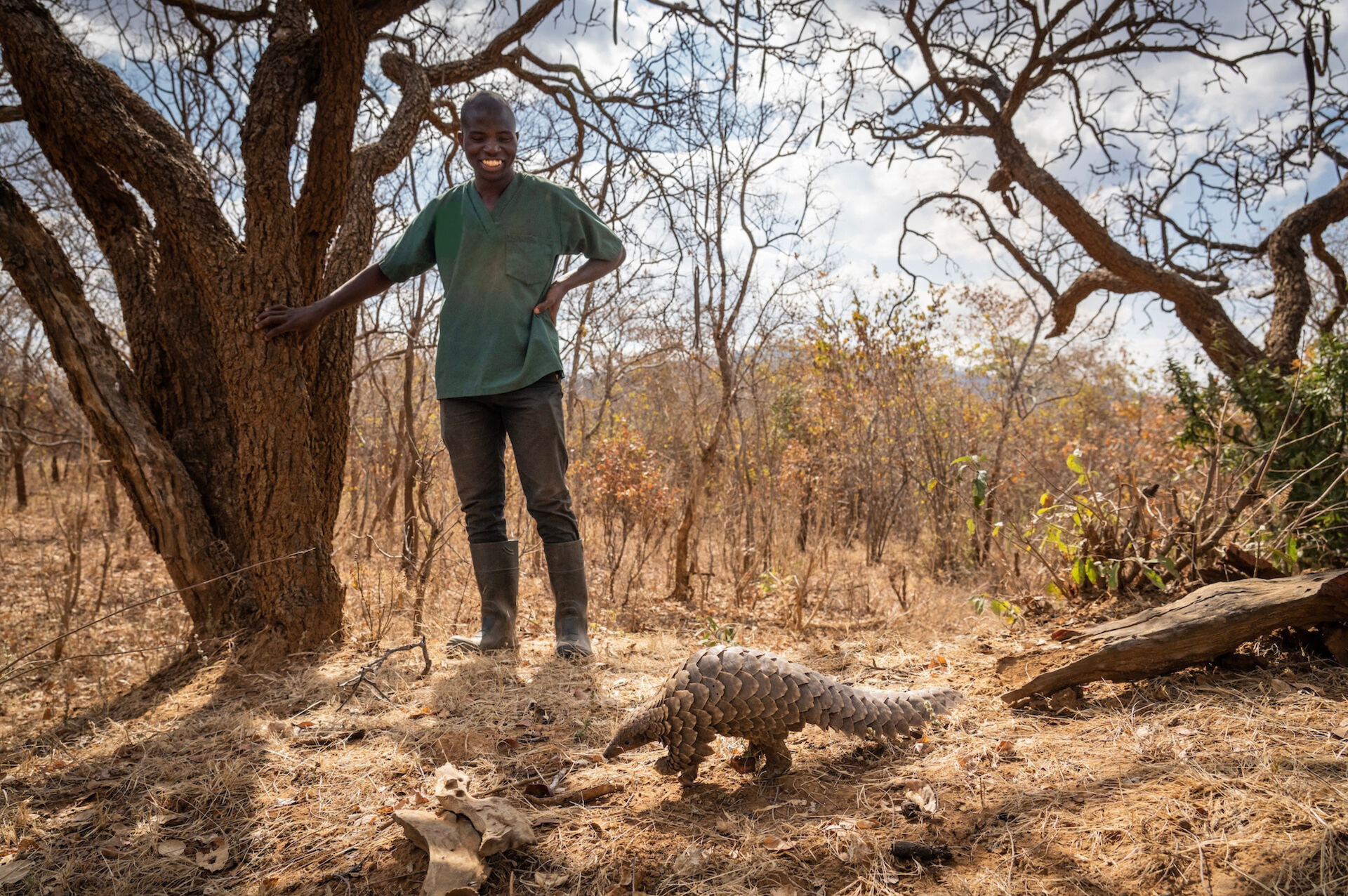
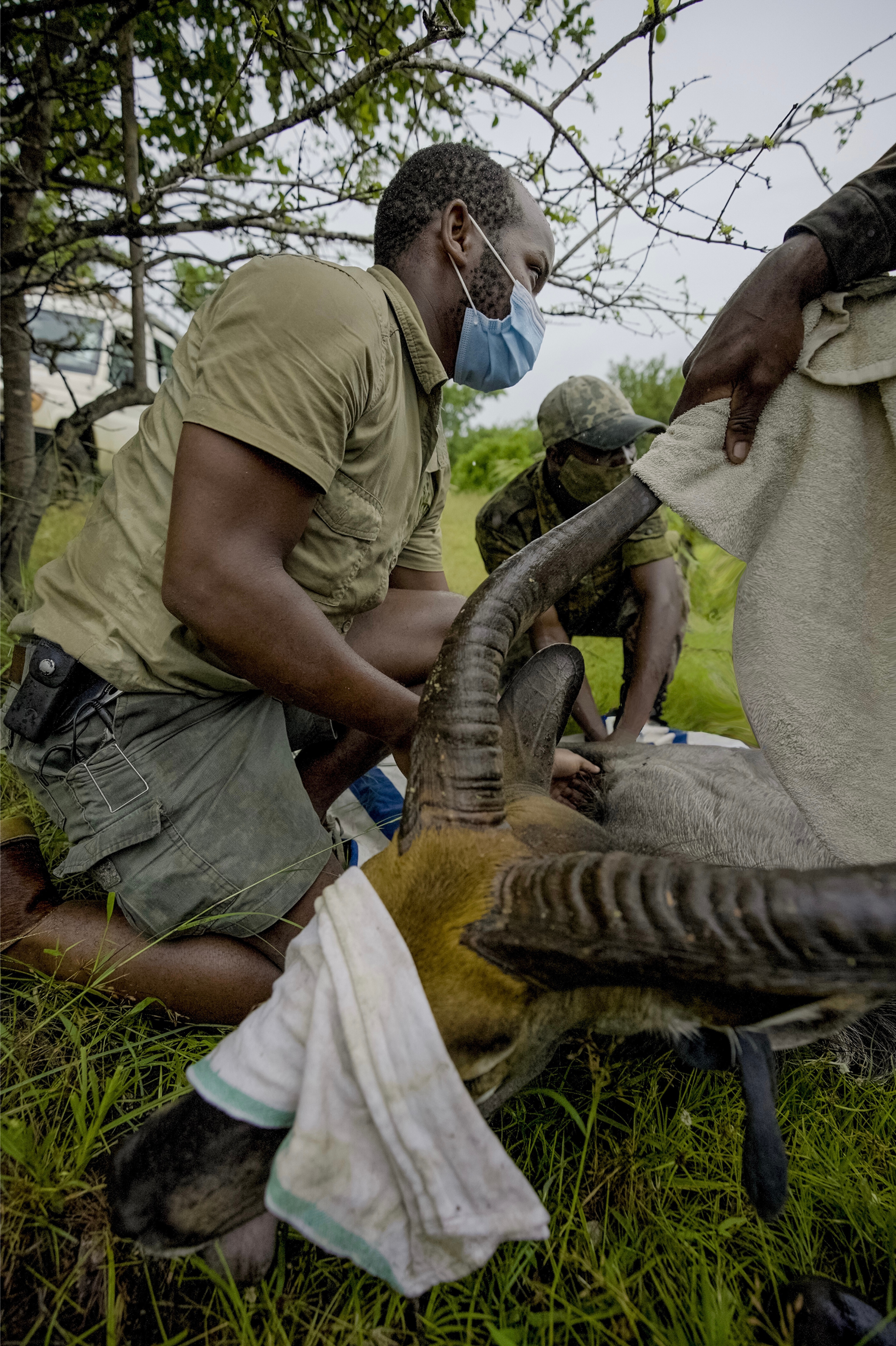
Illegal wildlife trade, habitat loss, bushmeat hunting, the illegal pet trade and other threats are still placing many species in peril. For this reason, we will retain our focus on saving wildlife through our specialist rescue, rehabilitation and release initiatives – effectively providing a national lifeline to wildlife in need. Addressing human-wildlife conflict and promoting co-existence will also become a key priority.
We will also continue our work to tackle wildlife crime, but expand our focus to other types of nature crime as well. Despite achieving success in disrupting and deterring illegal wildlife trade in recent years, the fight is far from won. Organised wildlife crime syndicates are still at large regionally; removing this threat will require ongoing support for investigations and prosecutions. We will also expand our approach to wildlife crime to address other forms of organised nature crime. For example, forests are being stripped at a devastating rate for illegal charcoal production and timber trade, and illegal mining is destroying wildlife habitats in protected areas. Other biodiversity hotspots, including wetlands, rivers and lakes, are also under threat from illegal activities such as overfishing and environmental pollution. In addition to destroying natural resources, organised nature crime fosters dangerous levels of corruption and insecurity.

The future of Malawi’s ecosystems and its people are deeply connected, which is why we are also introducing a new programme aimed at securing healthy landscapes for people and wildlife. Malawi has one of the highest poverty rates globally and 80% of the population is dependent on rain-fed agriculture for their livelihoods. This leaves the security of millions of people vulnerable to climate change and natural disasters.
Through this new programme we will work with partners in carefully targeted areas to make positive change – at scale – for the environment, people, and wildlife. We will seek to improve people’s livelihoods whilst also protecting critical ecosystems.

Our partnerships
Despite the enormity of the challenges ahead, we know that progress is possible. In the last decade, Malawi has seen a recovery in some of its most iconic wildlife species, convicted some of the region’s most notorious wildlife criminals, and launched pioneering new wildlife legislation. We are proud to be part of these achievements.
We have worked closely with the Government of Malawi to support these outcomes, and our continued partnership with a wide range of government agencies will be critical to our future success.

Since our inception, we also have developed a strong network of national and international partners and donors who have shown incredible generosity and passion for our work. To you – a huge thank you. Our achievements would not have been possible without you and we hope you will support the next exciting phase of our journey.